Retired Police Officer Threatens To Lock Me Up For Recording In Public
SUPPORT MY CHANNEL BY BECOMING A MEMBER TO SEE THIS VIDEO EARLY!
Most visits to government offices are painfully boring.
You walk in, take a number, sit in an uncomfortable chair, stare at a wall for ten minutes, and leave wondering why the entire process couldn’t have been an email. That’s exactly the kind of visit I was expecting when I walked into the Lauderdale Lakes WIC Center.
Instead, it turned into a front-row seat for a familiar but still troubling phenomenon: someone asserting authority they don’t actually have, simply because they don’t like being recorded.
A Normal Looking Place With Clear Rules
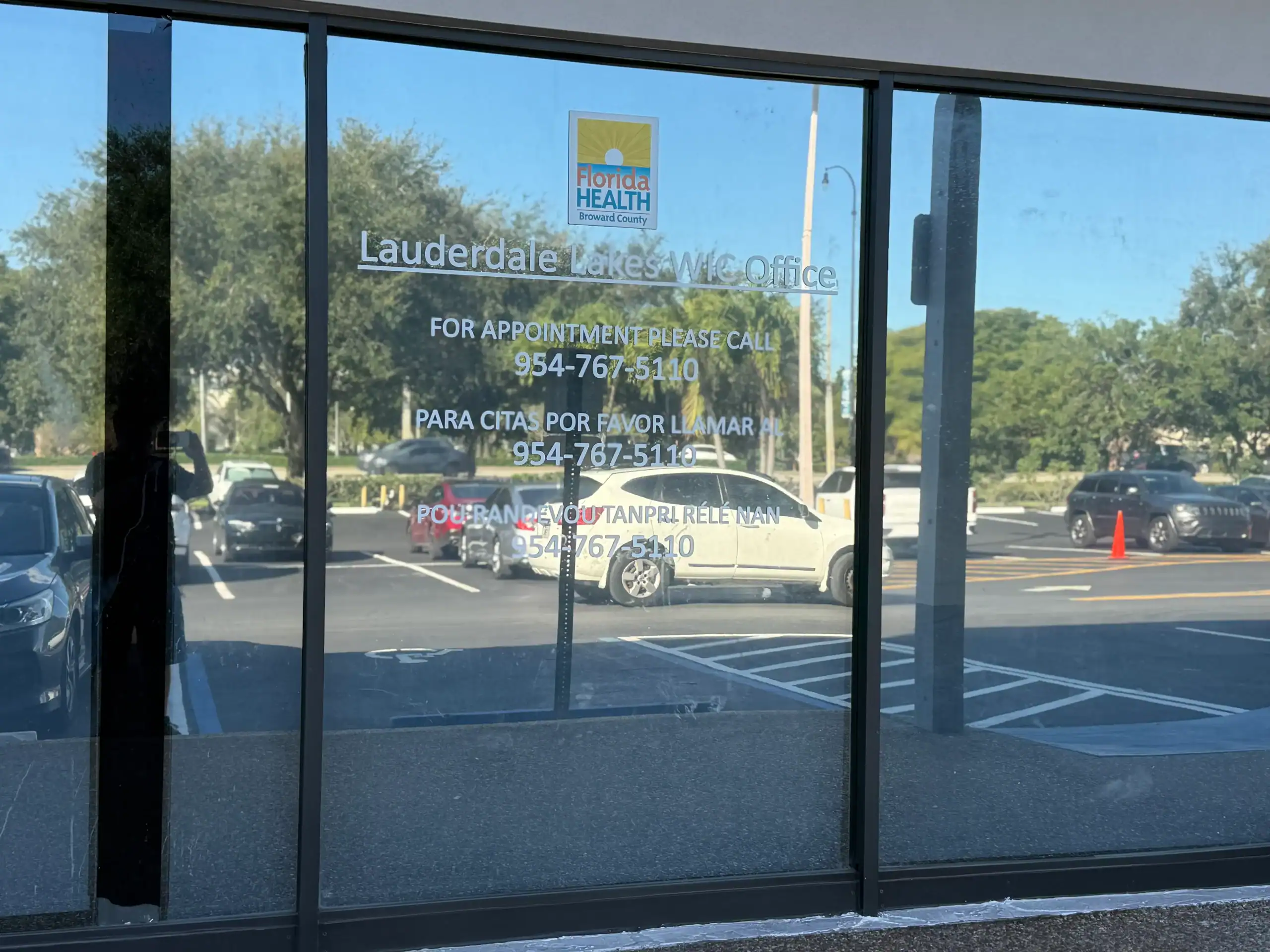
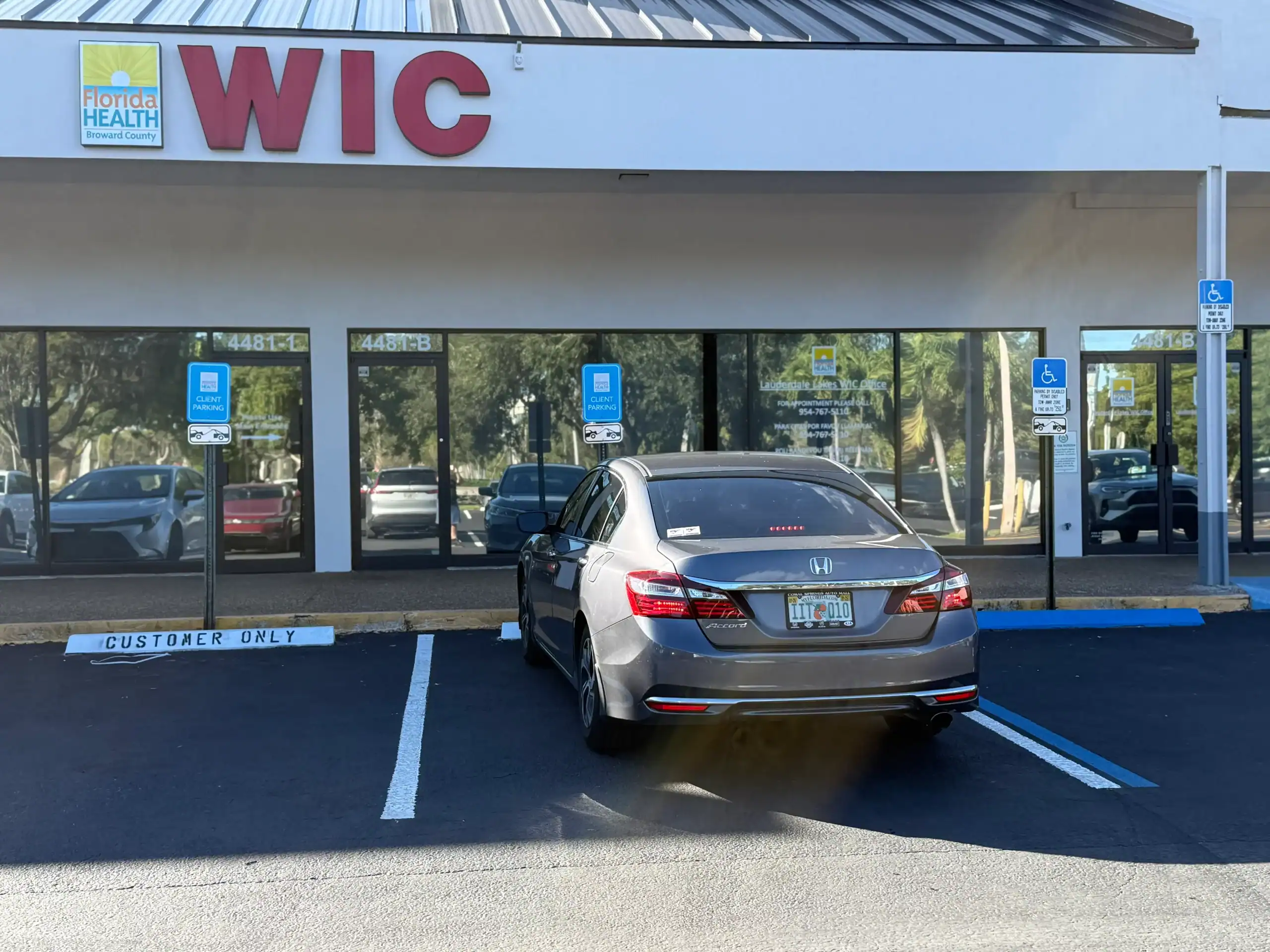
The Lauderdale Lakes WIC Center sits in a strip shopping plaza. No gates. No security checkpoint. No “secure facility” warnings plastered on the windows. Just a public-facing government office doing what public-facing government offices are supposed to do.
Inside, the layout was straightforward. A public lobby with seating. Doors leading further into the building. And importantly, clear signage marking where the public was and wasn’t allowed to go.
The restricted areas were clearly labeled. The signs didn’t mince words. They simply stated that access beyond certain doors was restricted.
What those signs did not say was equally important.
There were no notices about photography. No “no recording” symbols. No policies posted. No vague warnings about “security concerns.” Nothing.
That matters more than people realize. In public spaces, especially government spaces, restrictions aren’t assumed. They have to be stated. Clearly.
The Confrontation Starts Immediately
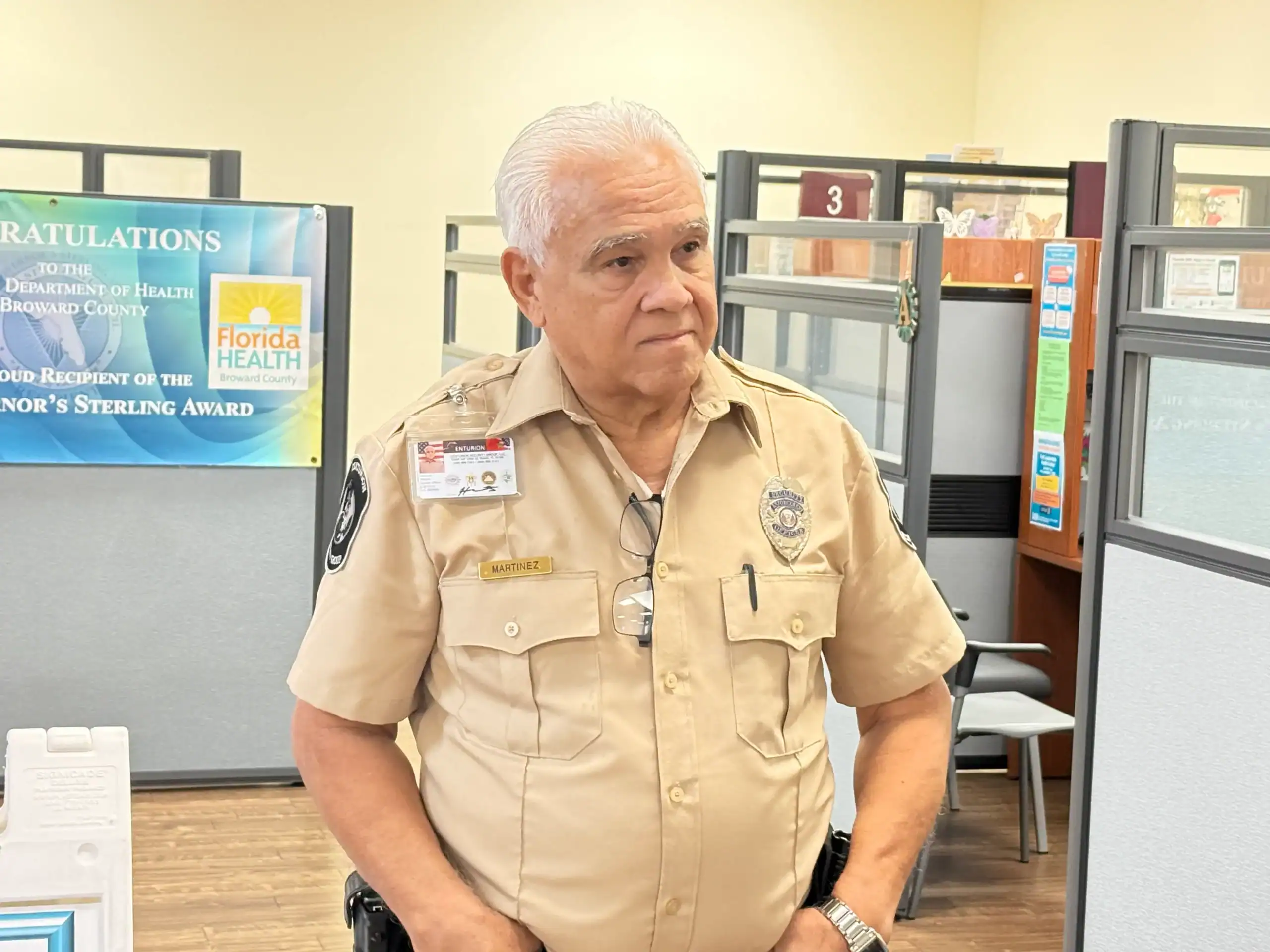
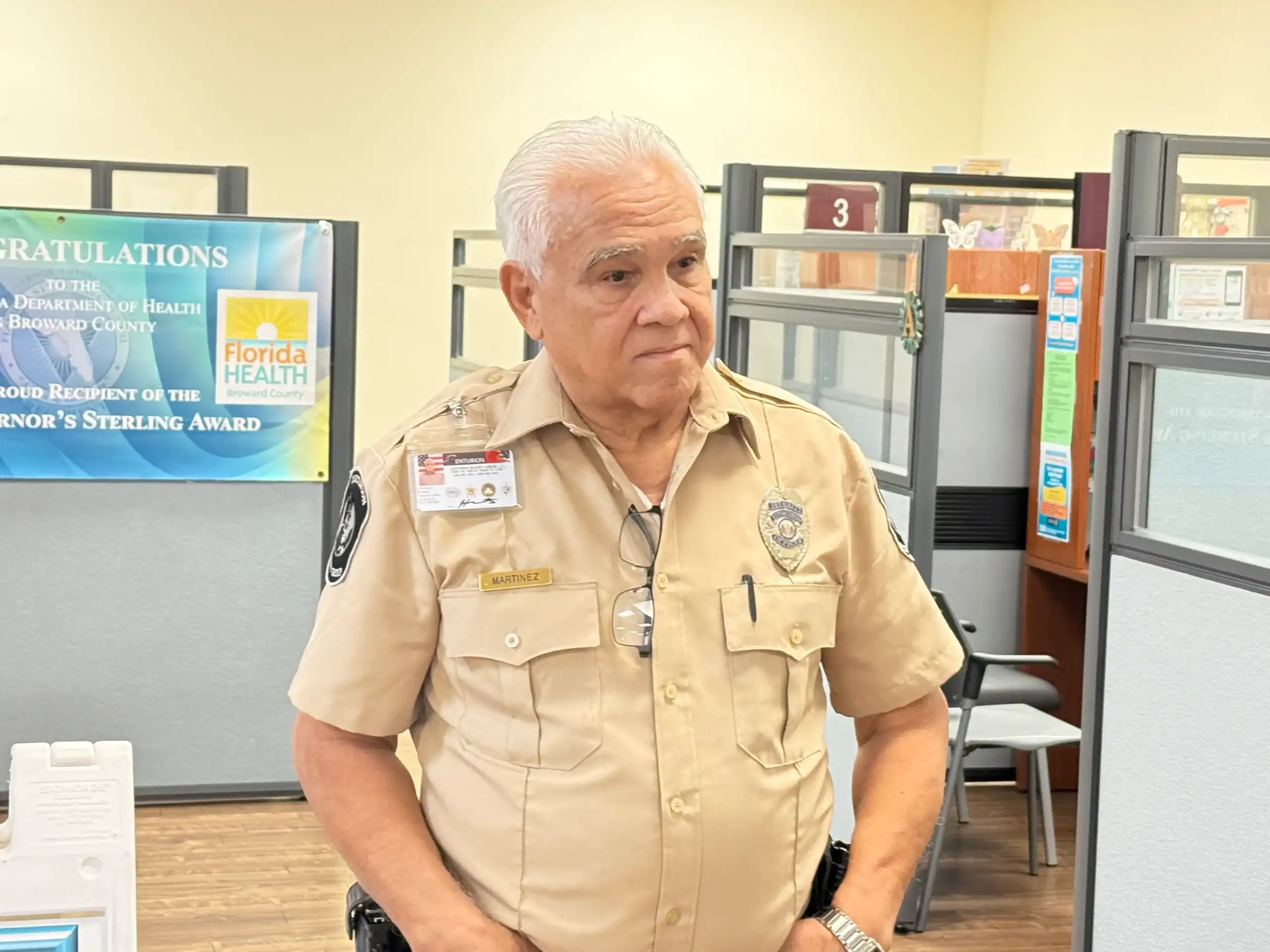
The moment I walked through the front door, I was met by a security guard stationed just inside the lobby. His name is Jack Martinez. He was in uniform, visibly armed, and positioned in a way that made it clear he was meant to be the first point of contact.
I was already recording when I entered. One camera mounted to my chest. Another in my hand. No attempt to hide it. No attempt to be sneaky.
Jack noticed instantly.
What started as a brief interaction turned tense almost immediately. His demeanor changed the moment it became clear I wasn’t there to quietly sit down and wait without asking questions.
Instead of explaining a policy or asking what I needed, he began issuing commands.
“Stand right there.”
No explanation. No courtesy. No effort to de-escalate.
Just commands.
When Commands Replace Communication
There’s a noticeable difference between someone doing their job and someone reacting emotionally. You can usually hear it in the tone.
Jack wasn’t trying to inform me of anything. He wasn’t trying to clarify what was allowed or not allowed. He was trying to control the situation.
As the interaction continued, the language escalated.
He threatened to trespass me. He threatened to charge me. At one point, he threatened to “lock me up.”
Those aren’t small statements. They aren’t misunderstandings. They are explicit assertions of arrest authority.
And yet, not once did he explain how recording in a public lobby violated any law. Not once did he cite a policy. Not once did he reference a statute or regulation.
The threats were loud. The legal foundation was nonexistent.
The “Retired Police Officer” Card
At the peak of the confrontation, Jack made a point to say that he was a retired police officer.
That statement wasn’t made casually. It wasn’t part of a conversation about his background. It was clearly intended to establish dominance, to suggest that his authority extended beyond his role as a contracted security guard.
But here’s the thing.
Being a retired police officer doesn’t grant arrest authority. It doesn’t create special powers. And it certainly doesn’t override constitutional protections in a public government lobby.
Authority doesn’t follow you into retirement.
And it doesn’t magically appear because someone claims it does.
Staff Step In, Reality Creeps Back
As the situation unfolded, WIC staff began to intervene. A supervisor named Alyssa, along with at least two other employees, addressed what was happening.
This is where the narrative changed.
Staff confirmed that:
The lobby was open to the public
Recording was allowed
There was no policy prohibiting filming in that space
In other words, everything Jack had been objecting to was perfectly lawful.
At that point, there should have been a reset. A simple acknowledgment. A step back.
Instead, while Jack did not escalate further physically, the verbal tension lingered. The threats stopped growing, but the attitude didn’t fully shift.
It wasn’t about the rules anymore. It was about pride.
No Arrest, No Trespass, No Police
Despite all the talk of arrest and trespassing, none of it happened.
I was never detained. My equipment was never touched. No police officers were called. No paperwork was produced. No supervisor ordered me to leave.
That outcome speaks louder than the threats ever did.
When someone truly has authority on their side, they don’t need to bluff. They don’t need to posture. They simply act within the law.
Here, the law was on my side, and the confrontation quietly fizzled once that reality became unavoidable.
Armed Security and the Illusion of Authority
Encounters like this raise a bigger issue that shows up again and again in public buildings.
Armed security guards often operate in a gray area. They wear uniforms. They carry firearms. They’re placed in government spaces. And to the average person, that looks a lot like law enforcement.
But looks aren’t law.
Security guards, even armed ones, do not have the same authority as police officers. Their role is limited. Observe. Deter. Report.
They do not get to invent rules. They do not get to override constitutional rights. And they do not get to threaten arrest for lawful activity.
A badge, a uniform, or a holstered firearm does not expand legal authority.
Why Filming Matters
It would be easy to brush this off as one bad interaction. But that misses the point.
Most people would have stopped recording the moment the threats started. Not because they were wrong, but because the situation felt uncomfortable, intimidating, or not worth the hassle.
That’s exactly why documenting these encounters matters.
Not to provoke. Not to embarrass. But to create an objective record of how authority is exercised when someone thinks no one is watching.
When cameras are rolling, the truth has a way of surfacing.
Leaving by Choice, Not Force
Eventually, I chose to leave. Not because I was required to. Not because I was trespassed. But because the interaction had run its course and the point had been made.
No one stopped me. No one followed me. Jack said nothing as I exited.
Once back in the car, it was clear the situation was over.
The Pattern Is the Point
This wasn’t a fluke. It fits a pattern that plays out across the country.
Someone records in a public space.
Someone in a position of perceived authority objects.
Threats are made.
No law is cited.
Supervisors intervene.
The threats disappear.
The only difference from one location to another is how long it takes for reality to catch up.
Accountability Starts With Visibility
This video, and this post, aren’t about personal attacks. They’re about accountability.
Government agencies have a responsibility to ensure that their employees and contractors understand the limits of their authority. When that training fails, the public pays the price.
Visibility is often the only corrective.
Final Thoughts
Recording in public isn’t a crime.
Discomfort doesn’t override the Constitution.
And authority doesn’t exist just because someone says it does.
If nothing else, this encounter is a reminder of how important it is to know your rights and to document when they’re challenged.
Until next time, stay free, stay engaged, and keep those cameras rolling.
Location Details
Date of Audit: January 16, 2026
Physical Address: 4481 N. State Road 7, Lauderdale Lakes, FL 33319
Phone: 954-767-5111
Website: https://broward.floridahealth.gov/
Their Social Media Accounts
Employee Details
Name: Jack Martinez
Title: Security Guard
Disclaimer
The people appearing in my videos are in public spaces where there are no reasonable expectations of privacy. Recording in public is protected by the First Amendment of the United States Constitution. This video is for entertainment and educational purposes only. The legal topics covered on GCNN are designed to be educational and informative. They should never serve as legal advice under any circumstances. The content of this video is in no way intended to provoke, incite, or shock the viewer. This video was created to educate citizens about constitutionally protected activities, law, civilian rights, and emphasize the importance of exorcising your rights in a peaceful manner.
It's Free To Support GCNN By Sharing This Post To Your